AIINSIGHT NOTE
AI · Web3 · Tech trends and insights at a glance
AI · Web3 · Tech trends and insights at a glance
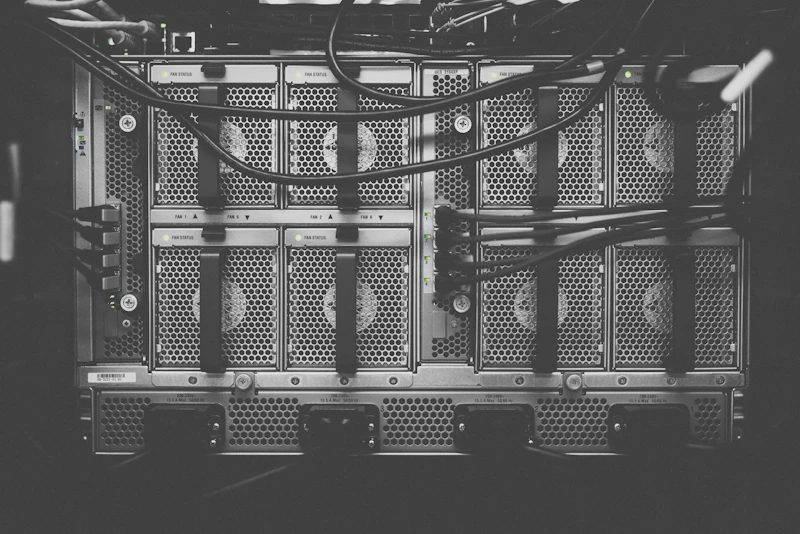
A thousand-dollar living-room Steam Machine, a single-file Llamafile that runs a model on a double-click, and nostalgic projects dressing local models in 1990s UI all point one way. As inference drifts out of the data center and into the home, the economics of metered cloud APIs and inference power start to fracture from the bottom up.
Taken individually, the recent stir around consumer hardware and open-source tooling reads like a handful of unrelated curiosities. A Steam Machine designed, despite a price north of a thousand dollars, to sit in the middle of a living room. A Llamafile that fuses model weights and runtime into one executable you launch with a double-click. A wave of nostalgic projects wrapping local models in the chrome of a 1990s desktop assistant. None of these sits at the frontier of capability, and none of them displaces data-center-scale inference. Yet they share a single premise worth taking seriously: that inference no longer has to be something that happens far away, in someone else's cloud, but can become something that happens within reach, in the room where people actually live.
For the past decade the geographic center of gravity for AI inference has been the hyperscale data center. Models were enormous, weights were trade secrets, and consumers reached that capability only through the narrow window of an API. That arrangement was also a business model. Per-token billing, usage-based pricing, and the provider's exclusive control over the physical place where inference occurs together formed the foundation of cloud inference economics.
The rise of the living-room PC presses on the weakest joint in that foundation. The Steam Machine matters not because it is a game console but because it normalizes the presence of an always-on, computationally serious device sitting beside the television. Once such a machine takes up residence in the home, what runs on it becomes the user's choice rather than the provider's. Spinning up a seven-billion-parameter model during the idle hours between games is already technically trivial. The edge of inference thereby extends past the modest NPU of a phone and into desktop-class compute that simply lives in the home and stays powered on.
For a long time the on-device story stayed an empty slogan, and the reason was concrete: running a model locally was miserable. You had to wade through Python environments, CUDA versions, quantization formats, and dependency hell before you could type a single prompt. That is why Llamafile is symbolically important. The moment weights and runtime are bundled into one cross-platform executable that launches on a double-click, local inference falls from a developer's hobby to an ordinary person's option. The projects that deliberately clothe local models in a friendly, retro interface belong to the same movement. They are trying to recast the local model as something familiar and lightweight rather than forbidding and specialized.
When deployment friction disappears, one of the cloud API's moats runs dry. What providers sold was never only the intelligence of a model; it was the convenience of making that intelligence usable instantly. Pair a single executable with always-on living-room hardware and a large share of everyday, repetitive inference — summarizing, classifying, casual conversation, handling private documents — loses any reason to leave the house and pay by the token.
The structural crack ultimately comes down to electricity. The cost of cloud inference reduces to GPU depreciation and data-center power, on top of which the provider stacks a margin to set a token price. When inference moves into the living room, that power cost does not vanish; it migrates onto the household electricity bill. But the migration means more than a simple shifting of cost. The instant a user draws on idle compute in hardware they already own, powered by electricity they already pay for, the intermediating layer that used to take a margin is removed entirely.
One living-room machine plainly cannot stand in for the scale of a data center. Frontier models, massive concurrency, and cutting-edge reasoning remain the domain of the cloud. The crack does not form at the summit; it forms at the floor. The most common, most private, most latency- and privacy-sensitive everyday inference leaks out to the living room first. For cloud providers that represents the least profitable bulk of their traffic — but it is also the habitual on-ramp that binds users to a platform in the first place. What the on-device shift truly threatens is not the peak of revenue but the entry path that manufactures dependence. A thousand-dollar living-room PC and an executable that opens on a single click are the small levers turning that on-ramp back toward the user.
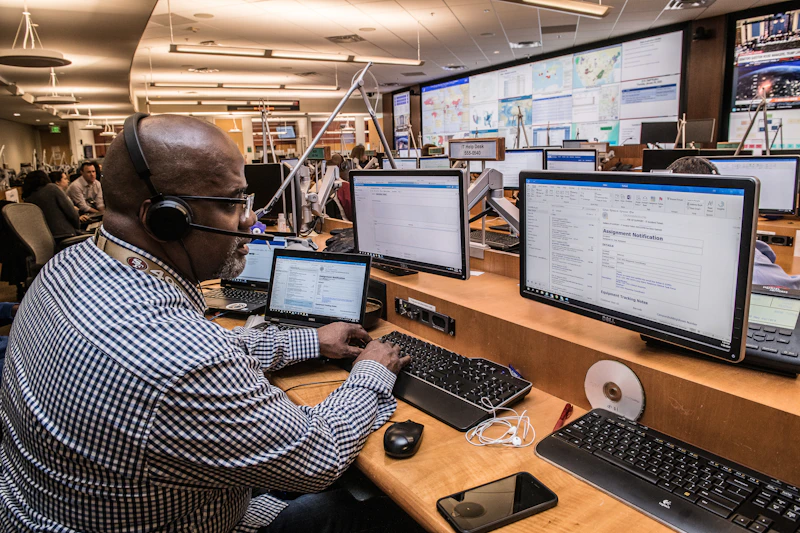
The Land-Permit Paradox of Korea's Chip Belt, When the Cluster's Boom Prices Out Its Own Engineers
Dongtan, Giheung, and Guri have been folded into Korea's land-transaction permit regime just as the AI chip capex boom reshapes the property market around the country's largest fabs. The very prosperity the cluster generates is raising the cost for the engineers it depends on to settle nearby. The real test of agglomeration may lie not in siting megafabs but in housing and labor mobility.

The Collapse of the Closed AI Moat and the Supply-Chain Paradox of Unverifiable Weights
DeepSeek-R1's open reasoning weights and Llamafile's single-file distribution are eroding the performance and distribution moats that closed labs once charged a premium for. Yet the same openness collides head-on with the gap exposed by the "250 samples to break an LLM" research: weight distribution that no recipient can verify. Democratized competition and accumulated security debt now sit on the same scale.
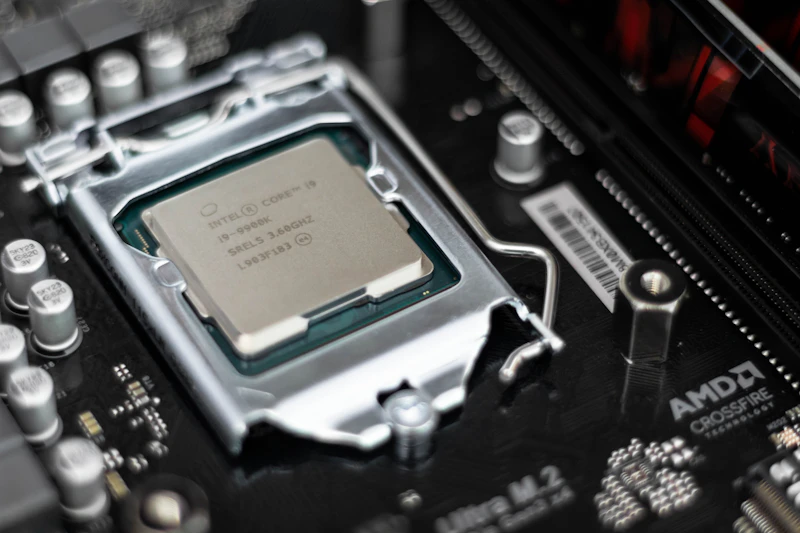
Forty-Year Yen Lows as the Hidden Subsidy Behind Japan's Chip Revival
As the yen slides into its weakest territory in four decades, Takaichinomics has entered uncharted monetary terrain. A cheap yen functions as a silent subsidy for Rapidus, Kioxia, and TSMC's Kumamoto fabs—yet the same currency inflates the cost of imported tools and materials and intensifies the talent war with Korea. The question is whether monetary policy can stand in for industrial policy, and what that means for Korea's memory champions.