AIINSIGHT NOTE
AI · Web3 · Tech trends and insights at a glance
AI · Web3 · Tech trends and insights at a glance
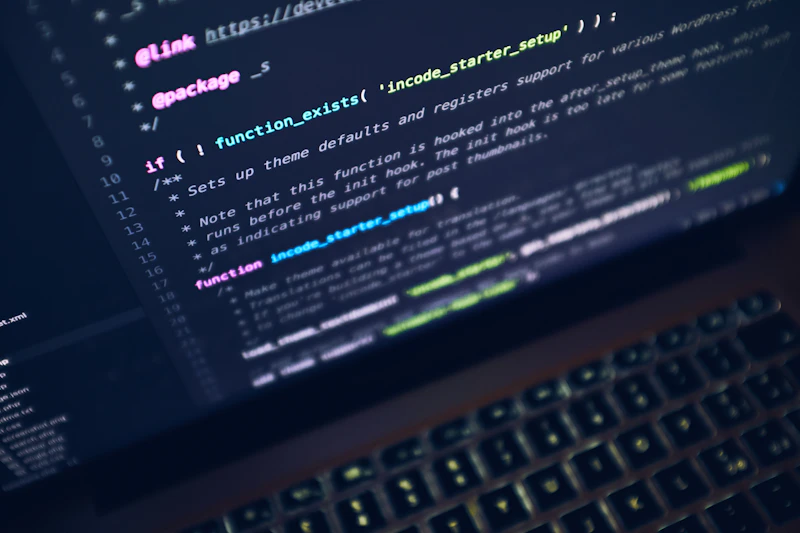
Webcam hacking stopped being a movie trope long ago; it is a documented, repeatable threat. The very on-device AI cameras marketed as privacy-preserving are now seeding always-on sensors across homes and offices, paradoxically expanding the surface for surveillance and intrusion. This column examines the tension between the promise that footage never leaves the device and the new reality that the sensor itself has become the target.
There is an old Korean saying that birds hear what you say by day and mice hear what you say by night. It was a warning about how nothing is ever truly private. Today the same caution belongs to the small lens tucked into a doorbell, a vacuum robot, a conference unit, or the ceiling of a retail floor. The idea that a webcam can be hijacked is no longer a researcher's thought experiment. Malware that captures video without lighting the indicator LED has been found in the wild for years, and firmware flaws that defeat the activity light entirely have been demonstrated. What has changed is scale. The lens no longer lives only on your laptop. It is everywhere, and increasingly it does not merely record what it sees. It understands it.
The pitch for on-device AI cameras is clean and genuinely appealing. Instead of streaming footage to a cloud service for analysis, a chip inside the camera identifies people, classifies motion, and judges risk locally, after which the raw video either never leaves the device or is discarded at once. The privacy logic is real. Footage cannot be intercepted in transit if it is never transmitted, and there is no central server quietly accumulating every household's video into a single catastrophic point of failure. This is precisely why manufacturers now frame edge vision as a privacy technology rather than a surveillance one.
But the promise rests on a quiet condition. To finish its analysis on the device, the camera must essentially never close its eyes. To detect motion, recognize a face, or wait for a spoken command, the sensor stays awake continuously, and its inferences are stored or relayed in some form. Data not traveling far is not the same as data disappearing. The most sensitive artifact of all, a structured judgment about who was where and when, now sits inside a small appliance whose security posture is wildly inconsistent from one vendor to the next. Privacy at the boundary can mask exposure at the core.
From an attacker's vantage point the shift is stark. Where the target used to be one reasonably well-managed server, it is now hundreds of millions of edge devices that are rarely patched, often shipped with default credentials, and abandoned by their update channels within a few years. The compute placed inside these cameras to run inference is itself a prize. A compromised AI camera is more than a peephole; its embedded neural accelerator can be turned into a launch pad for further attacks or repurposed to automate targeted surveillance through on-board synthesis and analysis. The intelligence sold as a feature becomes a capability the intruder inherits.
The subtler danger is the transfer of trust. Reassured that nothing goes to the cloud, people invite these cameras into bedrooms and nurseries, places they would never have wired before. The privacy narrative does not shrink the footprint of surveillance; it expands it. Meanwhile the on-device model adds attack surfaces of its own. Adversarial perturbations can blind a camera to a person standing in plain view. Supply-chain tampering can corrupt the model baked into the firmware before the box is ever opened. Inference outputs alone can leak hints about training data. The smarter the lens, the larger the attack against its intelligence grows alongside it.
The real question these devices pose is not technical but one of balance. Keeping data local is progress, yet planting always-on sensors everywhere raises the ambient density of risk regardless of where the bytes reside. Genuine privacy begins not with asking where the footage lives, but with asking whether that eye needed to be open at all. The wariness people once reserved for birds and mice is exactly what the self-watching lens now demands again.

The Land-Permit Paradox of Korea's Chip Belt, When the Cluster's Boom Prices Out Its Own Engineers
Dongtan, Giheung, and Guri have been folded into Korea's land-transaction permit regime just as the AI chip capex boom reshapes the property market around the country's largest fabs. The very prosperity the cluster generates is raising the cost for the engineers it depends on to settle nearby. The real test of agglomeration may lie not in siting megafabs but in housing and labor mobility.
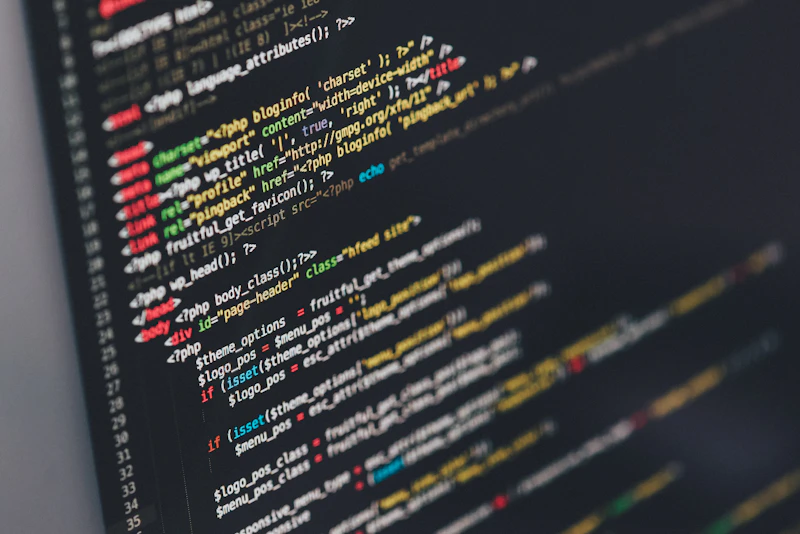
The Collapse of the Closed AI Moat and the Supply-Chain Paradox of Unverifiable Weights
DeepSeek-R1's open reasoning weights and Llamafile's single-file distribution are eroding the performance and distribution moats that closed labs once charged a premium for. Yet the same openness collides head-on with the gap exposed by the "250 samples to break an LLM" research: weight distribution that no recipient can verify. Democratized competition and accumulated security debt now sit on the same scale.
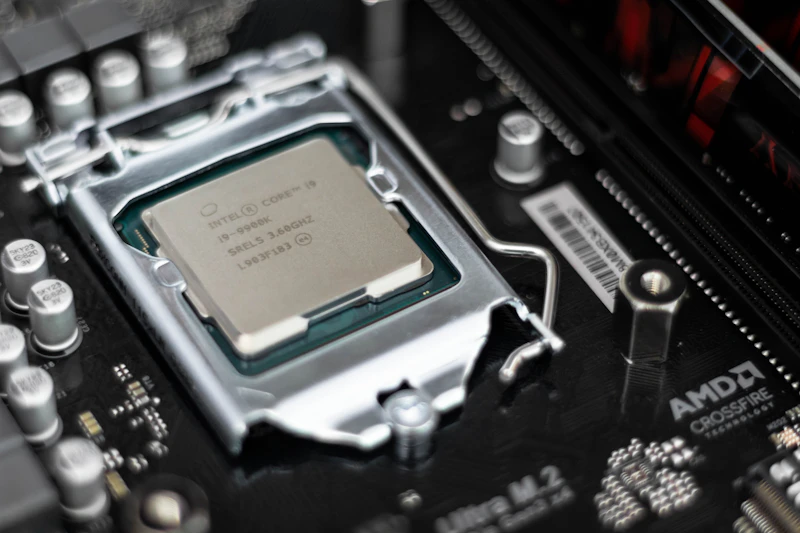
Forty-Year Yen Lows as the Hidden Subsidy Behind Japan's Chip Revival
As the yen slides into its weakest territory in four decades, Takaichinomics has entered uncharted monetary terrain. A cheap yen functions as a silent subsidy for Rapidus, Kioxia, and TSMC's Kumamoto fabs—yet the same currency inflates the cost of imported tools and materials and intensifies the talent war with Korea. The question is whether monetary policy can stand in for industrial policy, and what that means for Korea's memory champions.