AIINSIGHT NOTE
AI · Web3 · Tech trends and insights at a glance
AI · Web3 · Tech trends and insights at a glance

A contested election outcome and a simultaneous U.S. semiconductor correction combined to drive Korea's KOSPI down 6 percent and push the won toward 1,550 per dollar in a single session. The question is whether this is a loud but transient correction or a structural signal about Korea's capacity to sustain AI infrastructure investment at scale.
Korea's financial markets delivered a single-session shock on June 5 that deserves more than a passing glance from anyone tracking the country's AI ambitions. The KOSPI fell roughly 6 percent, the won pushed toward 1,550 per dollar, and together those two numbers condensed months of simmering anxiety into one very visible afternoon. The proximate causes are straightforward enough: a contested election outcome that leaves near-term policy direction opaque, and an ill-timed reversal in U.S. semiconductor equities that gave foreign investors an additional reason to trim exposure. The harder question is whether this dual shock is a loud but transient correction, or the first visible crack in a more structural repricing of Korea's role in the global AI infrastructure build-out.
Markets that drop 6 percent in a day often recover within weeks. But the composition of the selling matters. The majority of the outflow appears to have been driven by foreign institutional investors who were already sitting on elevated gains in Korean tech and semiconductor names going into the election. When Nvidia and TSMC began correcting in New York, the incentive to use domestic political uncertainty as a catalyst for profit-taking became irresistible. In that reading, the won's slide toward 1,550 is largely a dollar-strength story amplified by a Korea-specific risk premium, not evidence of a sudden collapse in the country's economic fundamentals.
Yet the medium-term picture is harder to dismiss. New governments in Seoul have historically created a window of regulatory and fiscal ambiguity during their first months in office, and capital-intensive decisions — data center commitments, HBM fab expansions, next-generation chip packaging lines — are particularly sensitive to that kind of uncertainty. Corporate treasurers and foreign project-finance teams need to model electricity tariffs, industrial land policy, and export-control regimes before signing billion-dollar capex plans. When those variables are temporarily unanchored, the rational response is to wait. A sustained won depreciation compounds the problem because it raises the local-currency cost of imported equipment and materials, compressing the return profiles that justified the investment case in the first place. Taken together, these dynamics suggest that what began as a one-day market event carries the potential to slow the pace of AI infrastructure commitments for a quarter or two — a meaningful delay given how quickly the global buildout is accelerating.
The timing of the Financial Supervisory Service's on-site examination of Mirae Asset's alternative investment operations adds a second layer of complexity. The FSS has not publicly detailed the scope of its review, but Mirae Asset's alternatives portfolio is heavily weighted toward AI-adjacent assets: domestic and overseas data-center funds, infrastructure co-investments, and stakes in private AI companies. A supervisory visit of this nature, arriving precisely when market stress is highest, signals that regulators are scrutinizing whether domestic financial firms are carrying concentrated, potentially illiquid AI-theme exposure at a moment of elevated macro risk.
The immediate prudential concern is manageable. Mirae Asset is a well-capitalized institution, and a routine FSS review is not the same as a crisis intervention. What matters more is the precedent it sets for the broader alternative asset ecosystem. Limited partners — pension funds, insurance companies, sovereign vehicles — calibrate their commitment pacing in part based on how they perceive the regulatory climate for fund managers. If the FSS action signals a harder supervisory posture toward AI-themed alternatives, the most likely behavioral response is a deceleration of new domestic fund commitments, not an outright withdrawal. But deceleration sustained over two or three fund vintages can meaningfully widen the gap between the capital Korea needs to remain competitive in AI infrastructure and the capital it is actually able to mobilize domestically.
The deeper structural question this episode raises is not whether Korea can attract AI investment — Samsung, SK Hynix, and a growing tier of domestic AI labs remain formidable anchors — but whether the political and regulatory environment can provide the stable, predictable backdrop that global capital requires to commit at the scale the AI buildout demands. One turbulent session does not answer that question. But it does make it considerably harder to answer in the affirmative without qualification.
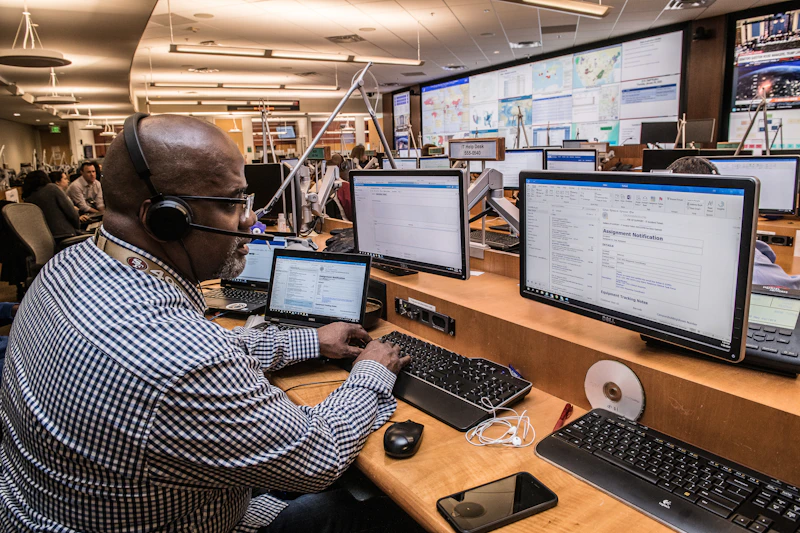
The Land-Permit Paradox of Korea's Chip Belt, When the Cluster's Boom Prices Out Its Own Engineers
Dongtan, Giheung, and Guri have been folded into Korea's land-transaction permit regime just as the AI chip capex boom reshapes the property market around the country's largest fabs. The very prosperity the cluster generates is raising the cost for the engineers it depends on to settle nearby. The real test of agglomeration may lie not in siting megafabs but in housing and labor mobility.
The Collapse of the Closed AI Moat and the Supply-Chain Paradox of Unverifiable Weights
DeepSeek-R1's open reasoning weights and Llamafile's single-file distribution are eroding the performance and distribution moats that closed labs once charged a premium for. Yet the same openness collides head-on with the gap exposed by the "250 samples to break an LLM" research: weight distribution that no recipient can verify. Democratized competition and accumulated security debt now sit on the same scale.
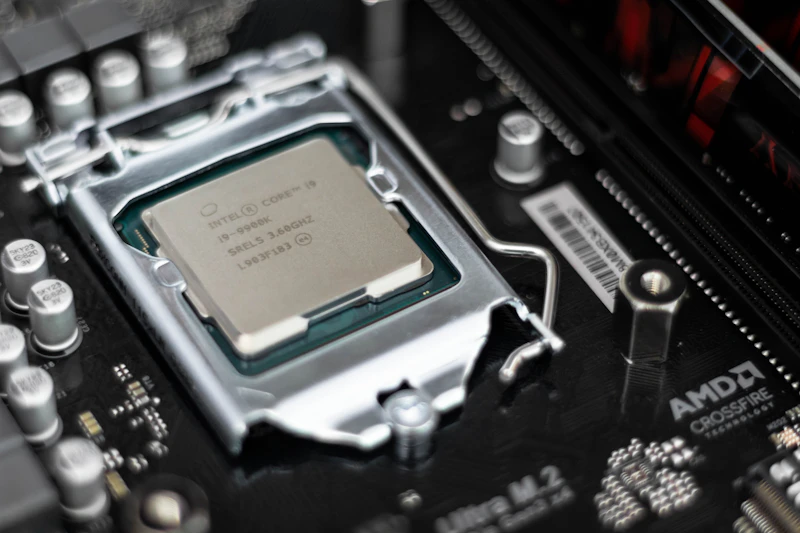
Forty-Year Yen Lows as the Hidden Subsidy Behind Japan's Chip Revival
As the yen slides into its weakest territory in four decades, Takaichinomics has entered uncharted monetary terrain. A cheap yen functions as a silent subsidy for Rapidus, Kioxia, and TSMC's Kumamoto fabs—yet the same currency inflates the cost of imported tools and materials and intensifies the talent war with Korea. The question is whether monetary policy can stand in for industrial policy, and what that means for Korea's memory champions.