AIINSIGHT NOTE
AI · Web3 · Tech trends and insights at a glance
AI · Web3 · Tech trends and insights at a glance
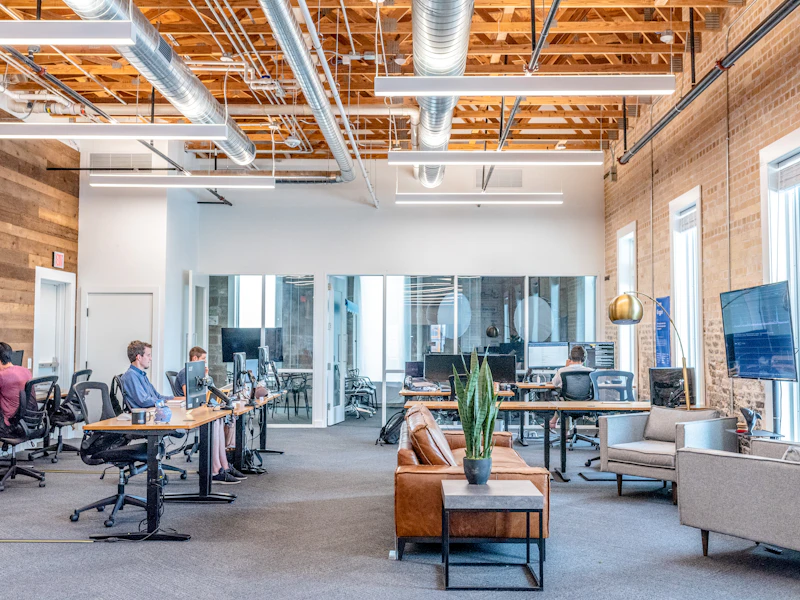
Jensen Huang's back-to-back meetings with the chairmen of SK, Hyundai, and LG in Seoul amount to supply chain diplomacy at its most consequential. With SK Hynix controlling the HBM memory that powers NVIDIA's flagship GPUs, and Korea's industrial giants representing massive untapped demand for AI infrastructure, South Korea has moved from commodity supplier to co-architect of the AI hardware stack. The visit signals a structural shift in how both sides calculate their leverage.
Jensen Huang's visit to Seoul was anything but a routine executive road trip. Back-to-back meetings with the chairmen of SK Group, Hyundai Motor Group, and LG Group — Chey Tae-won, Chung Eui-sun, and Koo Kwang-mo respectively — compressed a significant portion of South Korea's industrial output into a single diplomatic itinerary. The density of that schedule is itself a message: NVIDIA now treats South Korea not as a collection of vendors but as a single, irreplaceable node in the AI hardware supply chain.
The most immediate strategic subtext of the visit is memory. High Bandwidth Memory has become the defining constraint in AI accelerator performance, and South Korea holds the keys. SK Hynix currently supplies the majority of HBM units powering NVIDIA's top-tier data center GPUs — the H200 and Blackwell series — and its HBM3E product is the de facto standard for next-generation inference and training workloads. Samsung and Micron are working to close the gap, but the technology and yield advantage SK Hynix holds remains substantial.
This creates an unusual power dynamic. NVIDIA is accustomed to being the indispensable party in its supplier relationships, setting terms for silicon foundries and component makers alike. With HBM, that dynamic is more symmetrical. SK Hynix needs NVIDIA's roadmap specifications months or even years in advance to design the next generation of memory stacks; NVIDIA needs SK Hynix's process capabilities confirmed before it can commit to GPU architecture decisions. The meeting with Chey Tae-won was, at its core, a negotiation between co-designers of the future AI hardware stack — not a supplier review.
What makes HBM structurally different from prior generations of memory is precisely this co-design depth. In the DRAM and NAND era, Korean memory companies competed on cost and volume in a commodity market where margins were cyclical and brutal. HBM is a custom-engineered component whose architecture must synchronize with the GPU it will serve, roadmap locked years in advance. That synchronization requirement transforms the relationship from transactional to structural — and it is why Huang needed to be in that room.
If the SK Hynix meeting was about securing the supply side of the AI hardware equation, the encounters with Hyundai and LG were about cultivating the demand side. Both conglomerates are in the middle of substantial AI infrastructure buildouts. Hyundai is investing heavily across robotics, autonomous driving, and smart manufacturing — three domains where NVIDIA's computing platforms and Omniverse simulation environment have direct commercial applicability. LG, meanwhile, is pushing AI into its B2B solutions business, including energy management systems and smart building platforms that require high-performance inference at scale.
For NVIDIA, signing up Korea's largest industrial conglomerates as enterprise AI platform customers is not merely a revenue play. It is a strategy for embedding NVIDIA's software stack — CUDA, NIM microservices, the AI Enterprise suite — into the operational fabric of industries that will be running AI workloads for decades. The deeper NVIDIA's platform penetrates Korean manufacturing and logistics, the harder it becomes for any competitor to displace it, even if a viable alternative GPU architecture eventually emerges. Platform lock-in compounds over time, and Korea's manufacturing base is large enough that winning it early matters.
There is also a signaling dimension. When the CEO of the world's most valuable AI company personally courts the heads of Korea's top industrial groups, it legitimizes AI capital expenditure at the board level in ways that no sales team can replicate. Huang's presence accelerates internal investment decisions that might otherwise stall in procurement committees.
What distinguishes this moment from earlier chapters in Korea-U.S. tech relations is the nature of the interdependence. Korea is no longer simply a low-cost source of standardized components whose price collapses when demand softens. It holds a chokepoint in the AI memory stack that cannot be rapidly replicated elsewhere. The capital intensity of HBM fabrication, the process know-how accumulated over years of volume production, and the co-design relationships already established with leading GPU architects all create barriers that new entrants cannot overcome quickly.
The broader implication for South Korea's industrial strategy is significant. Holding the chokepoint in the AI memory stack gives Korean companies a form of negotiating leverage they have rarely enjoyed in previous semiconductor cycles. The challenge now is whether that leverage translates into deeper co-investment, preferential technology access, or a larger share of the value being created in the AI infrastructure boom. Jensen Huang's visit suggests that the moment for those conversations has arrived. Whether Korean firms extract the full strategic value from that position will depend on their own clarity of purpose — and their appetite for the kind of long-horizon partnership that the AI era demands.
The Land-Permit Paradox of Korea's Chip Belt, When the Cluster's Boom Prices Out Its Own Engineers
Dongtan, Giheung, and Guri have been folded into Korea's land-transaction permit regime just as the AI chip capex boom reshapes the property market around the country's largest fabs. The very prosperity the cluster generates is raising the cost for the engineers it depends on to settle nearby. The real test of agglomeration may lie not in siting megafabs but in housing and labor mobility.

The Collapse of the Closed AI Moat and the Supply-Chain Paradox of Unverifiable Weights
DeepSeek-R1's open reasoning weights and Llamafile's single-file distribution are eroding the performance and distribution moats that closed labs once charged a premium for. Yet the same openness collides head-on with the gap exposed by the "250 samples to break an LLM" research: weight distribution that no recipient can verify. Democratized competition and accumulated security debt now sit on the same scale.
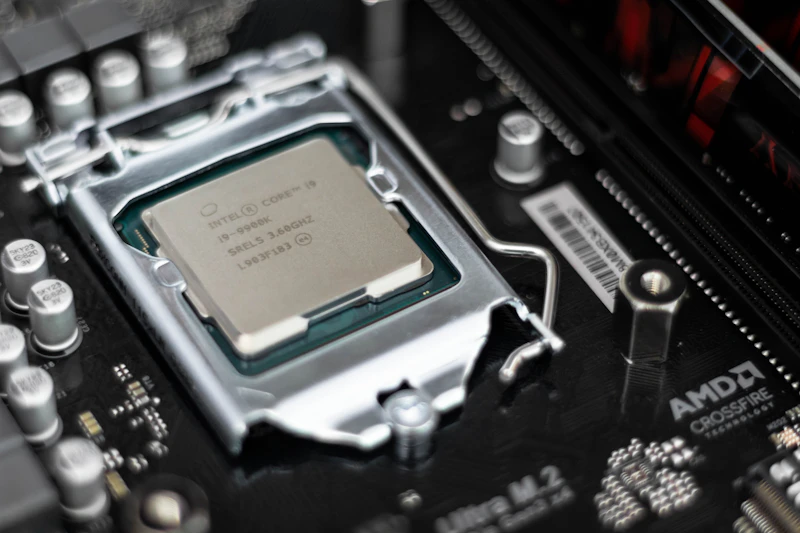
Forty-Year Yen Lows as the Hidden Subsidy Behind Japan's Chip Revival
As the yen slides into its weakest territory in four decades, Takaichinomics has entered uncharted monetary terrain. A cheap yen functions as a silent subsidy for Rapidus, Kioxia, and TSMC's Kumamoto fabs—yet the same currency inflates the cost of imported tools and materials and intensifies the talent war with Korea. The question is whether monetary policy can stand in for industrial policy, and what that means for Korea's memory champions.