AIINSIGHT NOTE
AI · Web3 · Tech trends and insights at a glance
AI · Web3 · Tech trends and insights at a glance
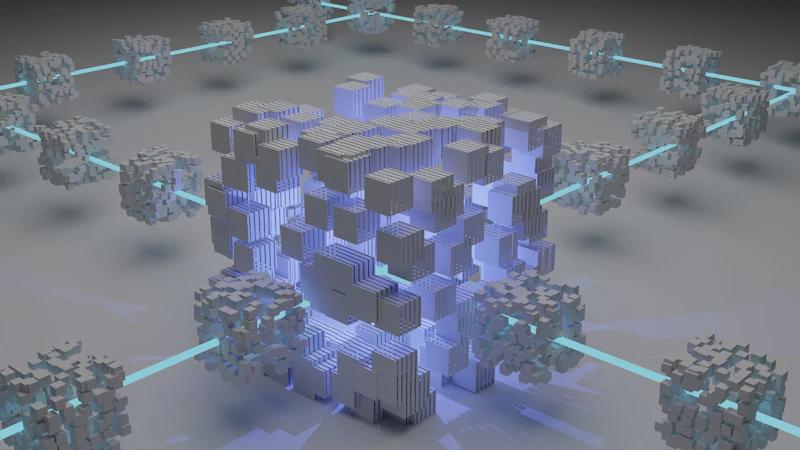
Ethereum is no longer just a smart contract platform — it has become the connective tissue of global financial infrastructure. L2 scaling, restaking protocols, and real-world asset tokenization are reshaping what the network means and who it serves.
Ethereum entered 2026 with a transformed identity. The base layer itself processes relatively little end-user activity; instead, it has become settlement and security infrastructure for a sprawling ecosystem of Layer 2 networks. Arbitrum, Base, and Optimism now collectively handle the vast majority of DeFi transactions, while the mainnet functions more like a clearinghouse — finalizing state and anchoring trust.
What's interesting about this shift is how it has changed the economics. L2 sequencer fees flow back to their respective operators, and much of that revenue is being used to fund ecosystem grants and liquidity incentives. The fragmentation question — will users ever feel like they're on "Ethereum" rather than "Base" or "Arbitrum" — remains genuinely open. Interoperability standards like ERC-7683 and the emerging superchain vision from OP Stack are attempts to paper over the seams, but cross-chain UX is still rough enough to discourage mainstream adoption.
Restaking has emerged as one of the most consequential and contested developments in the ecosystem. EigenLayer's architecture allows ETH stakers to extend their cryptoeconomic security to external protocols — so a single validator can simultaneously secure Ethereum and, say, a decentralized oracle network or a data availability layer. The TVL in restaking protocols has grown dramatically, but so has the concern. Critics argue that restaking creates complex, opaque risk cascades: a slash event in one protocol could ripple through others that share the same capital. The "restaking is systemic risk" camp and the "restaking is capital efficiency" camp are both making reasonable arguments, which suggests the truth is somewhere uncomfortable in the middle.
Real-world asset tokenization is the subplot that has attracted the most institutional attention. BlackRock's BUIDL fund — an on-chain tokenized money market — crossed meaningful AUM thresholds in early 2026 and inspired a wave of copycat structures from smaller asset managers. The appeal is straightforward: on-chain settlement, 24/7 transferability, and programmable compliance checks. The friction, predictably, is regulatory. Most tokenized RWAs are restricted to accredited investors and operate through SPV structures that look legally familiar but technically novel.
The net picture is of an ecosystem that has genuinely scaled — technically — while the user base for truly permissionless, trust-minimized finance remains a rounding error compared to the addressable market. Ethereum's bull case has always been that it becomes indispensable infrastructure before most people know what it is. 2026 looks like a year when that thesis is being tested in the market rather than just argued on Twitter.

The Land-Permit Paradox of Korea's Chip Belt, When the Cluster's Boom Prices Out Its Own Engineers
Dongtan, Giheung, and Guri have been folded into Korea's land-transaction permit regime just as the AI chip capex boom reshapes the property market around the country's largest fabs. The very prosperity the cluster generates is raising the cost for the engineers it depends on to settle nearby. The real test of agglomeration may lie not in siting megafabs but in housing and labor mobility.

The Collapse of the Closed AI Moat and the Supply-Chain Paradox of Unverifiable Weights
DeepSeek-R1's open reasoning weights and Llamafile's single-file distribution are eroding the performance and distribution moats that closed labs once charged a premium for. Yet the same openness collides head-on with the gap exposed by the "250 samples to break an LLM" research: weight distribution that no recipient can verify. Democratized competition and accumulated security debt now sit on the same scale.
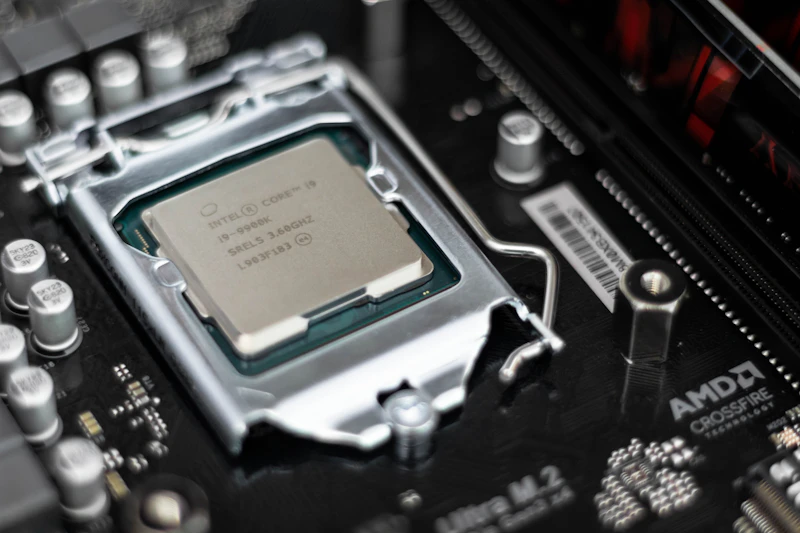
Forty-Year Yen Lows as the Hidden Subsidy Behind Japan's Chip Revival
As the yen slides into its weakest territory in four decades, Takaichinomics has entered uncharted monetary terrain. A cheap yen functions as a silent subsidy for Rapidus, Kioxia, and TSMC's Kumamoto fabs—yet the same currency inflates the cost of imported tools and materials and intensifies the talent war with Korea. The question is whether monetary policy can stand in for industrial policy, and what that means for Korea's memory champions.